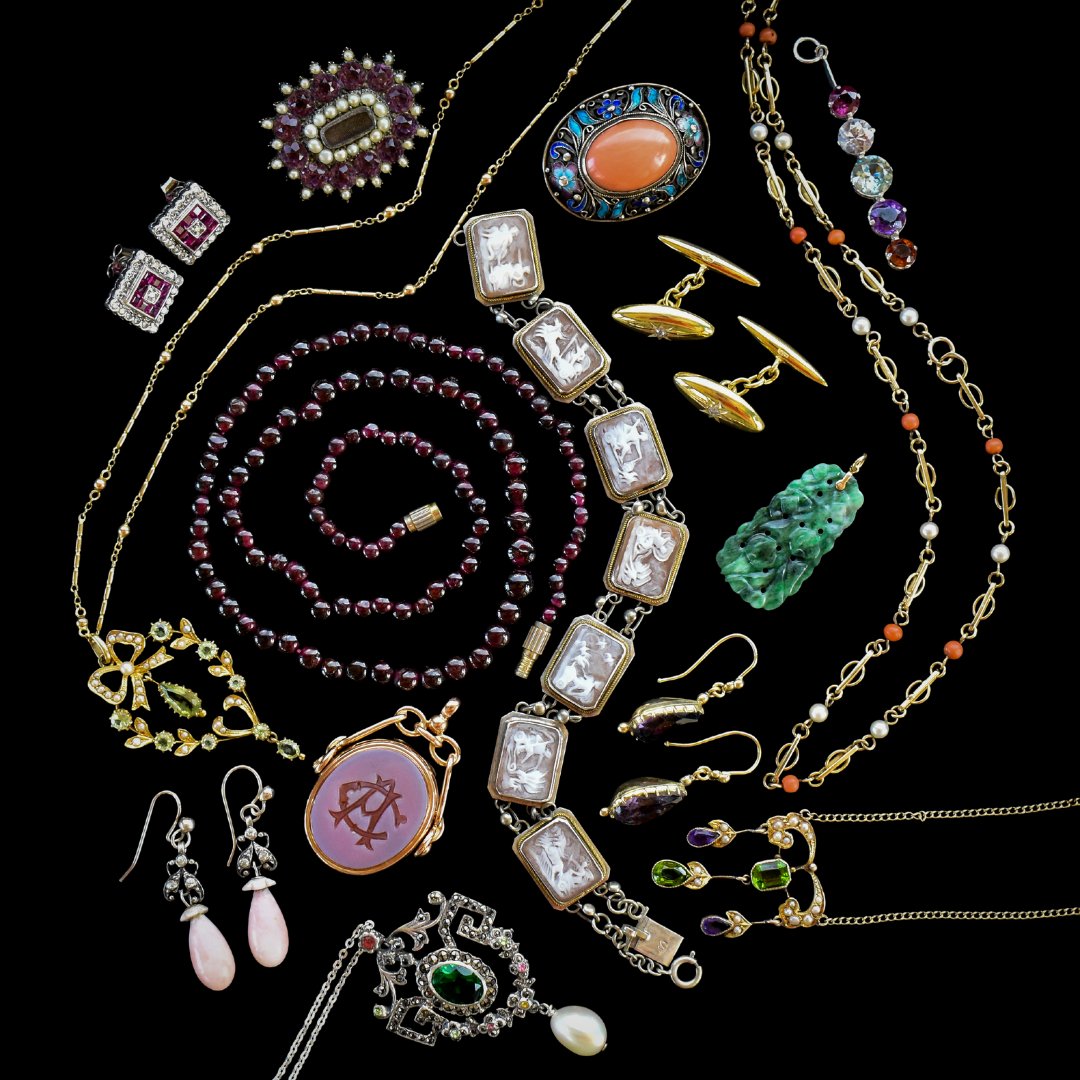


2026 has firmly established itself as the year of the brooch. Once considered a traditional heirloom reserved for special occasions, the classic brooch pin has re-emerged as one of the most versatile accessories in modern styling. Whether you are searching for a delicate brooch for women, a sharp lapel brooch for men, or authentic vintage brooches, these heritage pieces are experiencing a massive global revival.
At Lancastrian Jewellers, we are seeing this shift first-hand. Customers are actively seeking out an antique brooch or vintage designer brooches to secure their scarves and elevate their winter outerwear. People want individuality and genuine craftsmanship. An antique piece guarantees a level of character that modern, factory made jewellery simply cannot replicate.
What Makes The Brooch Trend So Popular Right Now?
The current demand is driven by a desire for uniqueness. In a market dominated by fast fashion and mass production, customers are increasingly seeking pieces that feel personal and enduring. A vintage or antique brooch offers something unique, with its own history and craftsmanship.
When you purchase a historical piece of jewellery, you acquire an item that nobody else owns. These pieces offer incredible versatility, allowing you to completely change the look of clothing you already have hanging in your wardrobe without needing to buy an entirely new wardrobe. It’s a beautiful, sustainable and personal approach to modern styling.
A Brief History Of The Brooch Pin
Understanding the history of these brooches explains why their craftsmanship remains unmatched today. Originally crafted as practical tools to fasten heavy cloaks before buttons became widely available, these pins eventually evolved into beautiful canvases for master jewellers to show off their skills.
- The Victorian Era: Jewellery became deeply symbolic and romantic. Florals, swallows and hidden meanings were highly prized, and people used specific gemstones to communicate secret sentiments
- The Edwardian Era: Designs became lighter and more delicate. Platinum settings allowed jewellers to create intricate, lace-like pieces set with diamonds and pearls, reflecting elegance and refinement.
- The Art Deco Period: By the 1920s and 1930s, the design language changed entirely. Jewellers embraced bold geometry, sharp architectural lines and striking colour combinations.

How To Style A Vintage Brooch Today
Placement is the ultimate secret to making historical jewellery feel perfectly modern. You are no longer restricted to pinning your favourite piece strictly onto the left lapel of a stiff tailored jacket.
Here are some of our favourite ways to style them for modern wear:
- Neckwear: Secure a silk neck scarf elegantly instead of tying a bulky awkward knot.
- Elevated Outerwear: Fasten a large structural piece to the collar of a heavy winter coat to add immediate visual texture.
- Cosy Knitwear: Pin a colourful enamel design onto a chunky knitted cardigan to create a brilliant, beautiful contrast between soft yarn and polished metal.
- Bespoke Handbags: Attach a sturdy pin to the fabric strap or pocket of your daily handbag for an unexpected bespoke detail.
- Hair styling: Create unique hair accessories for weddings or special events by securing a lightweight piece into an elegant updo.
- Men’s tailoring: Add exceptional polish to a blazer or dinner jacket with a subtle geometric pin or statement gemstone design.
How Do I Know If My Antique Brooch is Valuable?
Age alone does not automatically guarantee a high price tag. When we examine a piece at Lancastrian Jewellers, we look at several specific details to provide an accurate evaluation.
The materials used are always our first consideration. Solid gold and platinum naturally hold significant inherent value compared to base metals, as do precious, old-cut gemstones.
Next, we carefully search for hallmarks, which act as tiny historical stamps revealing the exact year and location an item was made. A clear hallmark from Birmingham in 1890 for example, verifies authenticity and tells a fascinating story about the origins of the piece.
The mechanics of the clasp provide further clues to help date the item accurately. A simple C catch often points directly to the nineteenth century, while later pieces might feature a more secure trombone catch or a rolling lock mechanism.
Condition is equally vital. Original gemstone and undamaged enamel work push the value up considerably. A piece that has been altered or repaired poorly in the past can reduce both desirability and price. Bringing your items to a trusted expert for a professional assessment is the smartest approach.

Choosing Your Own Investment Piece
Building a collection of historical jewellery is an incredibly personal journey. We always advise customers to pick designs that complement their existing wardrobe rather than buying purely based on passing trends. You should choose an item you will actually reach for on a day to day basis.
An antique cameo suits a romantic aesthetic perfectly, while a geometric Art Deco design works beautifully if you prefer clean architectural lines and contemporary styling.
Because every single item we source is entirely unique, once a specific piece goes home with a customer, it cannot be replaced, which is part of what makes antique jewellery so special. That exclusivity allows you to preserve a tiny piece of history while giving it a completely new lease on life.
If you are ready to embrace this returning trend, we invite you to explore our updated brooches collection at Lancastrian Jewellers. You will discover carefully authenticated pieces spanning multiple eras, making it easy to find the perfect addition to your personal style.
Interested in spreading the cost of your next historical heirloom? We provide flexible layaway plans and Klarna, ensuring the process of acquiring your dream piece is both seamless and stress-free. We invite you to visit the Lancastrian Jewellers website today to discover a unique treasure of your own.


